

Cetinje
Cetinje: the town where a country began
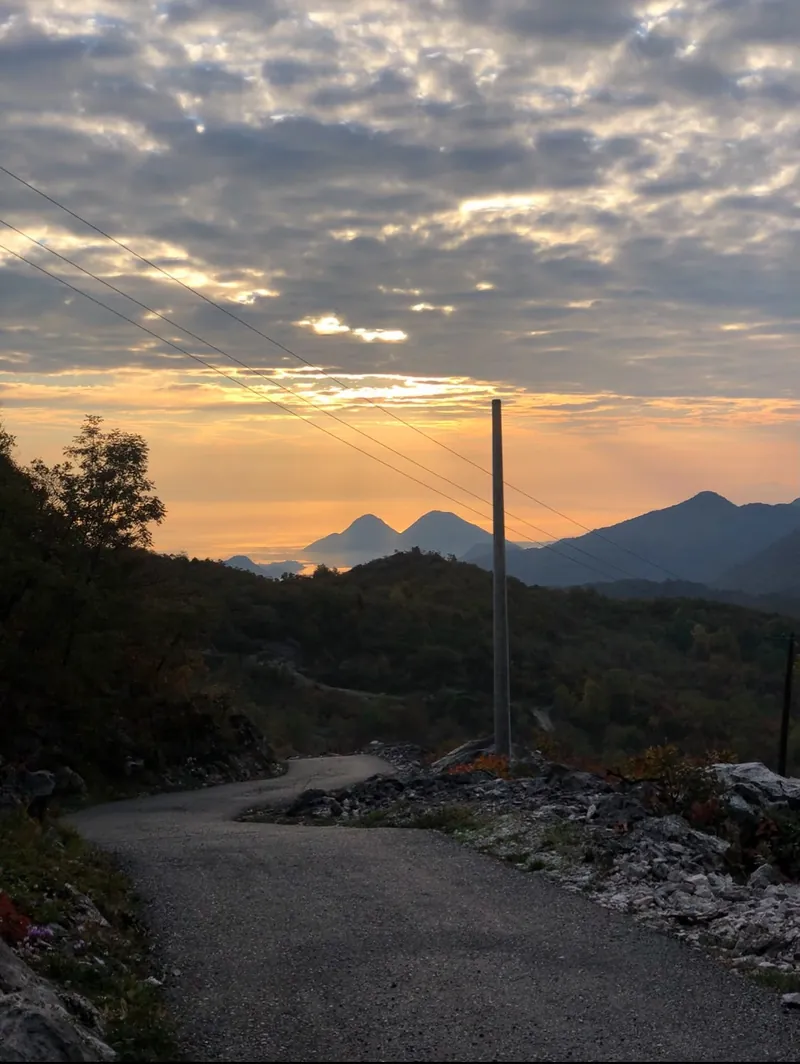
Just 17 kilometres from our konoba, in a field at the foot of Mount Lovćen, lies the town where Montenegro learned to be a state. A small place with a big story: a prince, a poet, a printing house, embassies and painters.
A court in a field below Lovćen
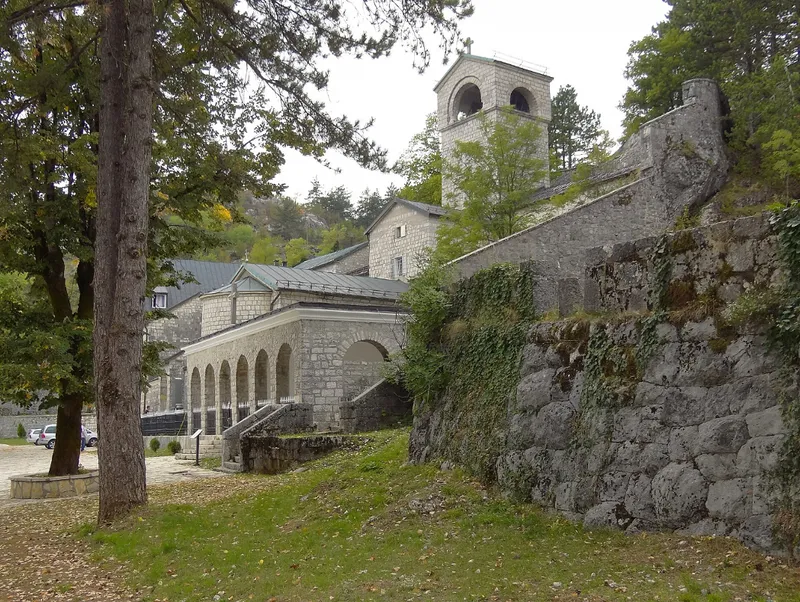
Ivan Crnojević, lord of Zeta from 1465 to 1490, moved his court from Obod into a sheltered field at the foot of Lovćen as the Ottomans advanced. Cetinje was born there in 1482, and the monastery followed in 1484.
From day one it was not a trading town but a place of faith, books and resistance: a fortress of the spirit in stone.
The first printed book of the South Slavs
In the days of Đurađ Crnojević, in 1494, the Oktoih of the First Tone was printed, the first printed book of the South Slavs. The Crnojević printing house was among the earliest in south-eastern Europe.
While the West was only getting used to print, up here in the hills type was already being set into books.
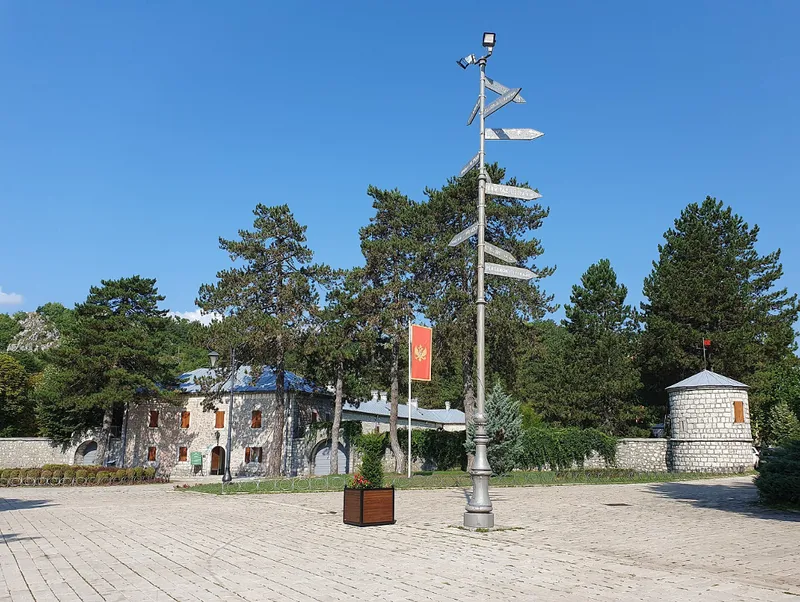
Njegoš and Biljarda
Petar II Petrović Njegoš, prince-bishop, ruler and poet, led Montenegro from 1830 to 1851. In 1838 he built Biljarda, his residence, and gave the country its first schools and a printing house.
He rests on the summit of Lovćen, in a mausoleum above his people, the mountains and the sea.
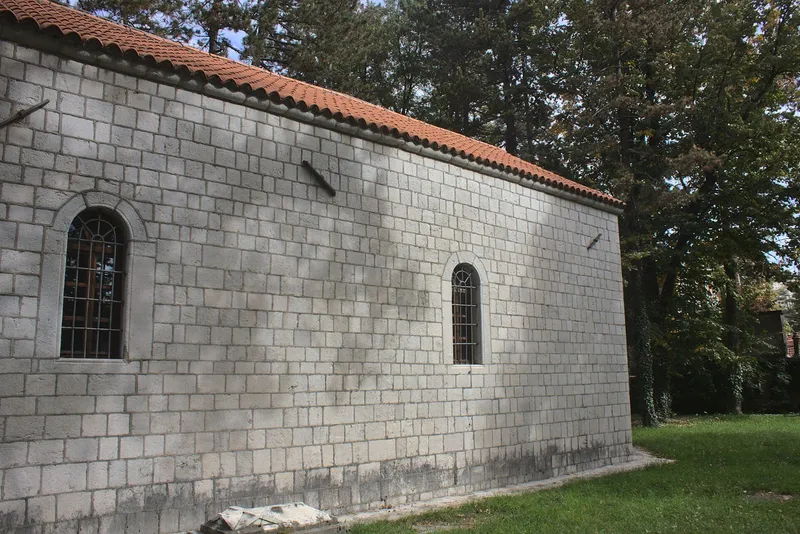
A capital among the great powers
Montenegrin independence was recognised in 1878 and Cetinje became the capital of a European state. The embassies of the great powers arrived and a small town on the rocks suddenly sat at the table with Europe.
Many of those buildings still stand today, quiet witnesses of the age when dispatches were written here.
A kingdom
In 1910 Prince Nikola I proclaimed Montenegro a kingdom and Cetinje its royal capital. Today it holds the constitutional title of Old Royal Capital, and rightly so.
A town of painters
Stone that raises artists
This land produced two painters of world renown. Petar Lubarda was born in Ljubotinj, near Cetinje, and Miodrag Dado Đurić was born in Cetinje and, by his own wish, was buried there. Dado spent much of his career in France, but he came home.
You can trace both in a single afternoon: monuments and graves lie on the road between Cetinje and Smokovci.
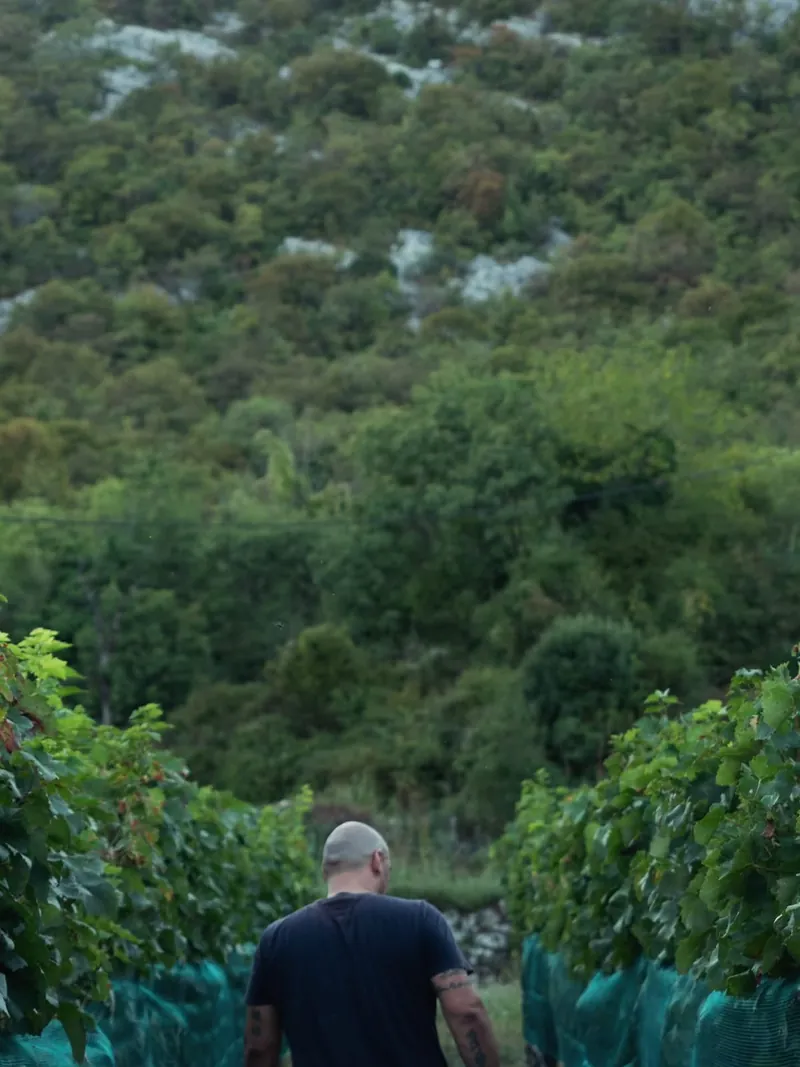
Cetinje and wine
Where the story meets the glass
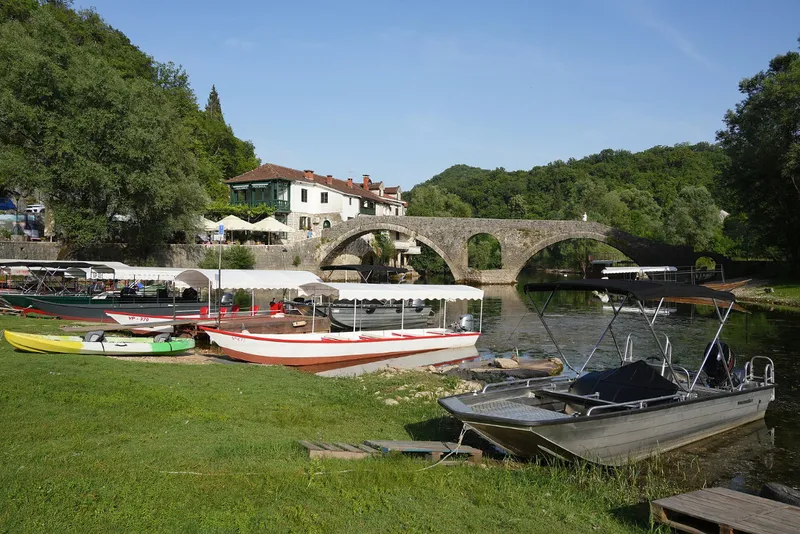
Riječka nahija (the Rijeka Crnojevića region), where our village Smokovci lies, is one of the wine-growing areas of this part of Montenegro, and vines have been grown here for generations. Our Vranac grows on the same stone and under the same sky that watched the Crnojevićs and Njegoš.
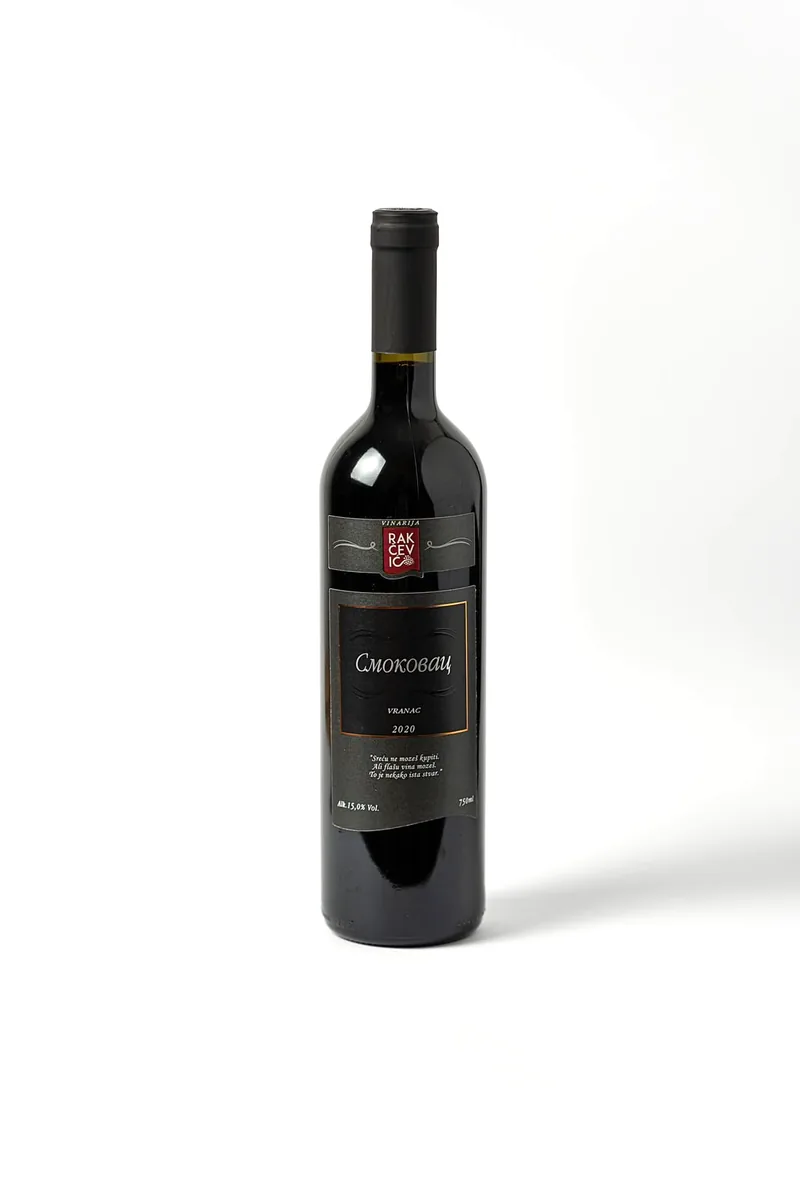
Depeša is a word from the diplomatic vocabulary, and in a town that once hosted the embassies of great powers it sounds right at home. Smokovac carries the family name. Pečalbar speaks of those who leave and come back. The same story, a different glass.
So we suggest the best possible day: Cetinje in the morning, our konoba in the afternoon. A story you can drink.
Historical facts: publicly available sources (Britannica, National Library of Montenegro, Wikipedia).
Photos: Rijeka Crnojevića, Ingo Mehling (CC BY-SA 4.0) · Virpazar, Skadarsko jezero, Albinfo / Wikimedia Commons (CC BY-SA 4.0) · Lovćen, Milica Buha (CC BY-SA 4.0) · Biljarda, Cetinje, Qasinka (CC0) · Cetinjski manastir, Adam Jones, Ph.D. (CC BY-SA 3.0) · Vlaška crkva, Cetinje, Aktron (CC BY-SA 4.0) · Galerija Dado Đurić, Cetinje, A81t (CC BY-SA 4.0) · Bista Petra Lubarde, Cetinje, Aktron (CC BY-SA 4.0) · Wikimedia Commons